How to Avoid 'Civic Engagement PTSD': Learning from UC Berkeley's Possibility Lab
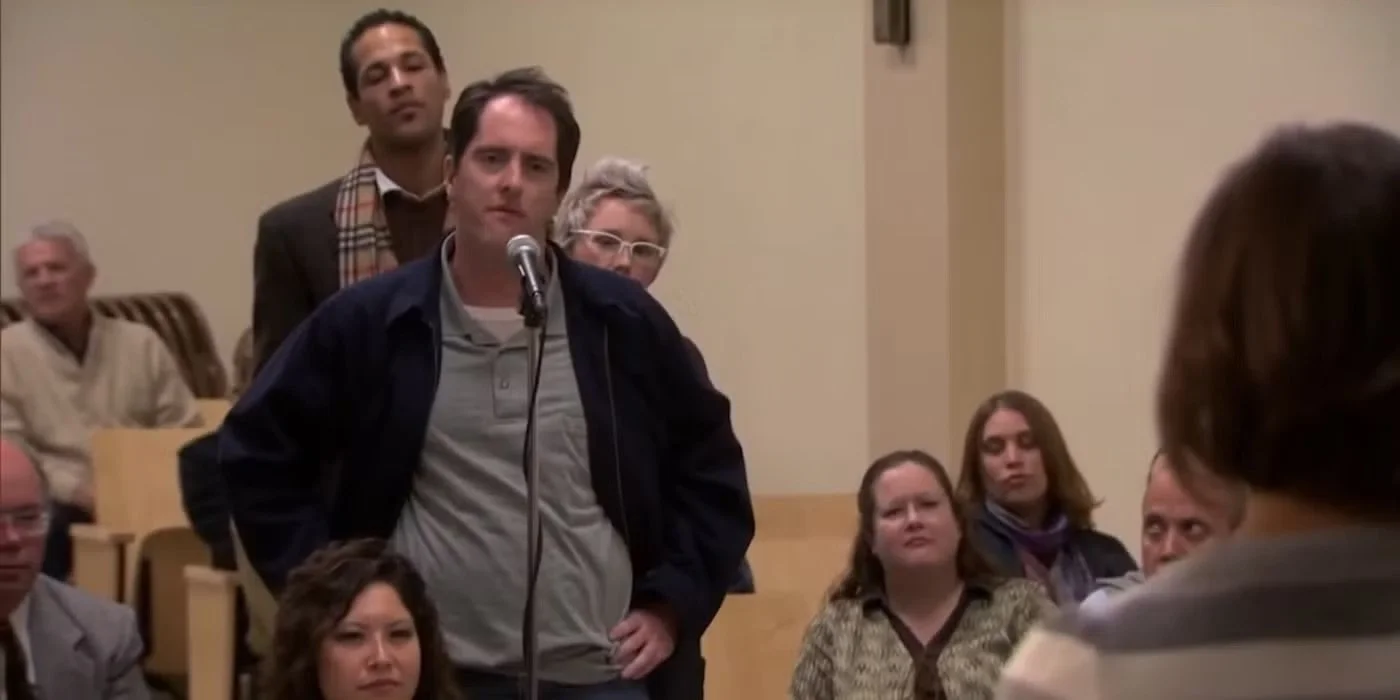
A Pawnee-style Townhall from Parks & Recreation
We have a nerdy joke at the Negotiation and Conflict Resolution office at Columbia: Have a problem? Hold a townhall!
Anyone who has watched the NBC sitcom Parks & Recreation has seen a similar setup: a microphone, rows of folding chairs, and a parade of residents from the fictional US town of Pawnee who treat townhalls like an open mic night for rage. The joke lands because it’s a familiar trope. Put a problem in a room, invite everyone, and hope the yelling turns into a plan.
In the real world, officials also recognize the dynamic. Policy makers want to engage communities, and know that legitimacy and effectiveness depend on it. Yet they often do not know how to do it well, especially in today’s moment of historically high polarization and historically low trust.
During the NECR Program’s December 2025 webinar, Dr. Amy Lerman, who directs UC Berkeley’s Possibility Lab, and Dr. Naomi Levy, who runs some of the Lab’s community engagement research, offered a gentle label for the hangover that follows: “civic engagement PTSD.”
This is a symptom of a real underlying problem: poorly designed government-community engagement processes. At the Possibility Lab, Dr. Lerman and her team work with policymakers and community members across California to create sustained co-governance partnerships using a framework they call IMPACT: initiate, mobilize, plan, act, catalyze, test.
Lerman, a political scientist whose research has shown that contact with the criminal legal system can undermine civic engagement and erode trust in democratic institutions, argues that today’s policy challenges – from public safety to homelessness to climate and energy planning – are too complex for the government to solve alone. Administrative expertise matters, but so does lived experience, community capacity, and the practical knowledge that everyday people carry about what is happening around them and how the systems they interact with really work (or don’t work).
Here, Dr. Levy described what one type of community engagement process can look like. Dr. Levy is a political scientist whose work highlights how government legitimacy and responsiveness are strengthened when communities are centered in defining and measuring the social problems that impact them. In Oakland, she worked with a team (that I also supported) to ask residents how they know whether their community is safe or unsafe. The resulting data produced a holistic set of “firsthand indicators” of community safety, including negative signs like violence and positive signs like neighborly support.
Together with community partners, Levy’s team mapped feedback loops that can keep communities caught in cycles of conflict, and also highlighted local capacities for increasing safety that need additional investment, like afterschool programs and block associations. With support from Oakland’s Department of Public Safety, she’s using this analysis to help the city align its public safety policies with communities’ own firsthand definitions of safety.
University-community-government partnerships are key to making such an approach possible. The Possibility Lab is helping agencies clarify what they need to learn, recruit representative participation, facilitate structured deliberation, translate discussion into actionable recommendations, and test whether changes improve lives. Crucially, universities can also help governments avoid repeatedly extracting time from communities who are often both overstudied and underserved, and instead make public participation a way for communities to have a meaningful role in policymaking.
Pawnee style shouting makes for good television. Real engagement requires careful design and the right people in the room.